
14 Best Things to Do in Pensacola Beach, Florida
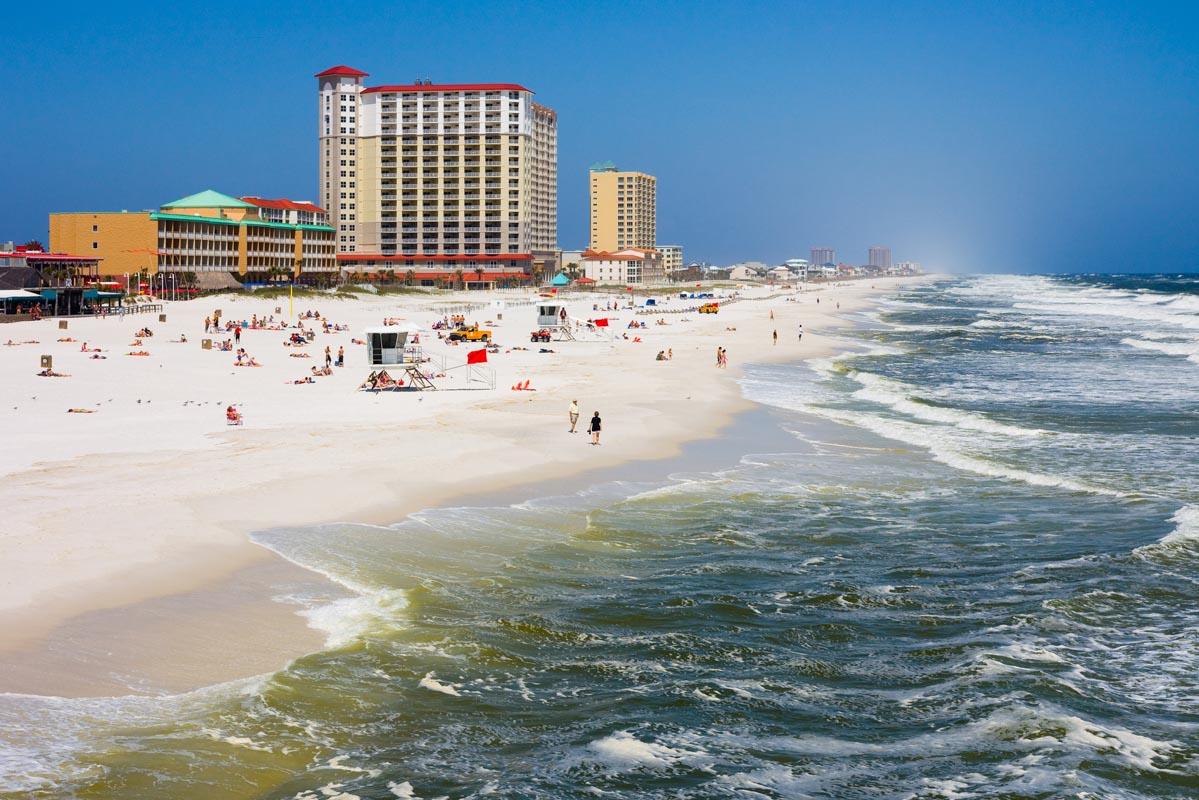
Pensacola Beach is on Santa Rosa Island, a barrier island at the western end of the Florida Panhandle. The sand is white, the Gulf Pier stretches 1,471 feet into the water, and Fort Pickens and a national seashore sit at the far end of the road. It is quieter and usually cheaper than the beaches farther east. These are the 14 best things to do in Pensacola Beach, FL, with notes on timing and a few nearby stops.
Disclosure: This post might contain affiliate links. This means we may earn a small commission (at no extra cost to you) should you choose to sign up for a program or make a purchase using one of our links. You can read our full disclosure here for more details!
You reach the island over the Bob Sikes Bridge, a 0.7-mile toll bridge from Gulf Breeze. It carried about 26,000 cars a day as of 2019, and it backs up on summer weekends. The beach is about 50 miles west of Destin, so it fits neatly onto a Panhandle trip. Our guide to cities near Destin lists Pensacola as one of the best neighbors to visit.
Best Things to Do in Pensacola Beach, Florida
1. Spend a Day at Casino Beach
Casino Beach is the hub of the island. The sand is white quartz that stays cool underfoot, and lifeguards cover the main public beaches in season. A boardwalk area has shops, restaurants and a pavilion by the water. The name comes from the Casino Resort, which hosted events from the 1930s through the 1950s and closed in the 1960s.
Several public lots offer free parking, but the closest ones fill on summer weekends. Arrive early. Shade is scarce, so bring an umbrella.
2. Walk the Gulf Pier
The Gulf Pier is 1,471 feet long and is often described as the longest pier on the Gulf of Mexico. Anglers use it, and visitors walk out for the view. A small fee applies, so check the current rate. Sunrise and sunset give the best light, and dolphins often swim near the pilings.
3. Explore Fort Pickens and Gulf Islands National Seashore

Gulf Islands National Seashore was authorized on January 8, 1971, and covers about 135,000 acres across Florida and Mississippi. It drew more than 8.2 million visits in 2023. In Florida it includes Fort Pickens, Johnson Beach on Perdido Key, Fort Barrancas and the Naval Live Oaks area. Fort Pickens sits at the western tip of Santa Rosa Island. French engineer Simon Bernard designed it, and workers built it between 1829 and 1834 from about 21.5 million bricks, much of the labor by enslaved people.
In January 1861 Lt. Adam Slemmer moved his small force there and refused Confederate demands to surrender. It was one of only four Southern forts that stayed in Union hands through the Civil War. From October 1886 to May 1887 the Apache war chief Geronimo was imprisoned here. The fort stayed in use until 1947, and the National Register of Historic Places listed it in 1972. A magazine explosion in June 1899 killed a soldier and destroyed one bastion. Concrete batteries added in the late 1890s and early 1900s, including Battery Pensacola in 1899 and Battery Langdon in 1923, are open to explore along with the old brick passages.
The National Park Service charges an entrance fee, typically $25 per vehicle for seven days at Fort Pickens and Johnson Beach, and takes credit cards only. Hurricane Sally flattened dunes in 2020, especially at Johnson Beach, where the island’s east end broke into three small islands. Fees are good for several consecutive days. The entrance station gate is open from 5 a.m. to 8 p.m. from March through October and 5 a.m. to 6 p.m. in winter. Fort Pickens Gate is open from 8 a.m. to sunset year-round.
Langdon Beach has a lifeguard from Memorial Day to Labor Day. The park service warns of a high risk of rip currents, and swimming is not allowed within 200 feet of the fishing pier or the ferry dock. Pets are not allowed on the beach. A campground offers tent and RV sites.
4. Bike the Island
Santa Rosa Island is flat, and biking suits it. Rentals are available near Casino Beach. Roads and paths run toward the national seashore with dunes, sea oats and open water on both sides. Carry water and sunscreen, and avoid midday in summer.
5. Take a Dolphin Cruise
Dolphins are common in Pensacola Bay and the Gulf, and several operators run trips. Some stop at sandbars, and others combine sightseeing with snorkeling or fishing. Book ahead in summer. If you are weighing a boat day against Destin’s, see our guide to Crab Island.
6. Paddle the Sound Side
The Santa Rosa Sound side of the island has calm, shallow water and little wave action, and it suits beginners. You can paddle over seagrass and see small fish, rays and crabs. Shops near the bridge and along the beach road rent paddleboards and kayaks, usually with a life jacket and a short briefing. The Quietwater Beach Boardwalk lines this side of the island.
7. Watch the Blue Angels
Pensacola is the home base of the U.S. Navy’s Blue Angels, formed on April 24, 1946. Six Boeing F/A-18E Super Hornets fly the show. The first four jets fly a diamond with about 18 inches between wingtip and canopy, and an estimated 11 million people watch the team each year. Practice demonstrations at Naval Air Station Pensacola are free and open to the public, and most listings put them on Tuesday and Wednesday mornings from March through November, weather permitting. Autograph sessions follow select Wednesday practices.
Flight line gates open around 9:30 a.m., and the team usually flies about 10:30. A practice runs about 55 minutes. Arrive early, because base entry can pause once the museum lot fills. The Pensacola Beach Air Show, held each summer, also puts the Blue Angels over the water. Dates change every year, so check the official schedule.
8. Visit the National Naval Aviation Museum
The museum at NAS Pensacola opened in December 1962 in a small building and moved to its current site in 1974. It has more than 150 aircraft and spacecraft and about 300,000 square feet of indoor exhibit space, plus 37 acres of outdoor grounds. It has a Blue Angels atrium, a Blue Angels 4D experience and a giant-screen theater. Four former Blue Angels A-4 Skyhawks are on display.
Admission is free. You need a photo ID to pass the base checkpoint, and rules change, so check the base’s current visitor requirements. Plan at least two to three hours.
9. Stroll Downtown Pensacola
Downtown is a short drive across the bridge. Palafox Street has restaurants, bars, galleries and boutiques, and Seville Square has old houses under oak trees. The city’s history runs deep. Tristán de Luna landed on August 15, 1559, and a hurricane destroyed the colony weeks later. The Spanish resettled in November 1698, and Pensacola was incorporated in 1822. It is nicknamed the City of Five Flags for the five governments that have ruled it: Spain, France, Great Britain, the United States and the Confederacy. About 54,300 people lived there at the 2020 census.
Pair a beach morning with a downtown evening. For couples, our guide to romantic things to do in Destin has ideas that carry over.
10. Eat Gulf Seafood
Menus lean on Gulf shrimp, oysters, grouper, snapper and crab. Beach spots have decks facing the water, and more formal restaurants are downtown. For a comparison, see our guides to the best seafood restaurants in Destin and beachfront restaurants in Destin.
11. Hunt for Shells
Shelling is best after a storm or at low tide. Fort Pickens and Johnson Beach on Perdido Key are known for it. Florida protects live shells, and the national seashore has its own rules, so take only empty ones and leave the dunes and sea oats alone.
12. Drive to Navarre Beach or Perdido Key
Navarre Beach to the east is quieter and family oriented. Perdido Key to the west has dune-backed shoreline and the Johnson Beach area of the national seashore. Both help when the island is crowded.
13. Watch the Sunset From the Sound
Most people watch from the Gulf side. The sound side faces west over the water, and quiet beaches there often have colorful skies without crowds. A few restaurants and bars have outdoor seating. Bring a blanket and stay until the color fades.
14. Continue Along the Panhandle
Heading east, you pass Navarre, Fort Walton Beach and Destin. Our guides to the best things to do in Destin and the best beaches in Destin cover the next stop. Pensacola International Airport is one of the closest for the area, and our guide to airports near Destin compares options.
A Short History
Pensacola Beach is an unincorporated community on Santa Rosa Island, in Escambia County. The island is about 11.5 square miles in total, and the 2000 census counted 2,738 residents, so visitors vastly outnumber locals in summer.
A Spanish expedition under Francisco Maldonado anchored in Pensacola Bay for the winter of 1539 to 1540. Tristan de Luna’s settlement of 1559 failed. In 1722 the Spanish built a presidio on Santa Rosa Island, but hurricanes in 1741 and 1752 forced its relocation to the mainland.
Today the federal government leases the island to the Santa Rosa Island Authority, and residents hold renewable 99-year leases instead of owning the land. Hurricane Ivan hit on September 16, 2004, and destroyed more than 650 homes on the island. Hurricane Sally in 2020 brought more than 20 inches of rain and wrecked a section of the Pensacola Bay Bridge. The Deepwater Horizon oil reached the beaches on June 4, 2010, and the well was capped on August 4 of that year.
A beach ball water tower on the island is preserved as a landmark. So is a Futuro house, one of about 100 built to a 1960s design by the Finnish architect Matti Suuronen.
Why It Is Called the Cradle of Naval Aviation
Naval Air Station Pensacola was the first naval air station the U.S. Navy commissioned, in 1914. That is why the city is called the Cradle of Naval Aviation, and why the Blue Angels and the museum are based here. Fort Barrancas, also part of the national seashore, sits on the base.
When to Go
Average temperatures run from the mid-40s in January to the high 80s in July. The best swimming is May through September. April and October are warm and quieter. Winter is cool and peaceful, and some nights are chilly. Summer is humid with afternoon thunderstorms, and hurricane season runs June 1 to November 30.
Pensacola averages about 68 inches of rain a year. The record high is 106 degrees, set on July 14, 1980, and the record low is 5 degrees, set on January 21, 1985, so winter cold snaps do happen. Storms have shaped the island. Hurricane Erin hit in August 1995, and Hurricane Opal followed about two months later. Hurricane Dennis made landfall on July 10, 2005, with less damage than forecast.
Check beach flags before swimming. A double red flag means the water is closed, and rip currents are a real risk along this coast.
Sample Plans
One day: Casino Beach in the morning, the Gulf Pier in the afternoon, sunset from the beach or the sound side. A long weekend can give one full day to Fort Pickens and the seashore, with a packed lunch and a credit card for the entrance station. Another day can go to downtown Pensacola and the Naval Aviation Museum. On a rainy day, the museum is the obvious choice, since it is free and mostly indoors.
Practical Tips for Visiting Pensacola Beach
Pensacola International Airport is roughly a 25- to 30-minute drive from the island and is much closer than most other Panhandle airports. If you want to explore beyond the island, you can book a rental car through Discover Cars. Bring sunscreen, a hat and water. The sand reflects the sun.


